High Rise Plots in Silver City: A 2026 Guide to Vertical Investment
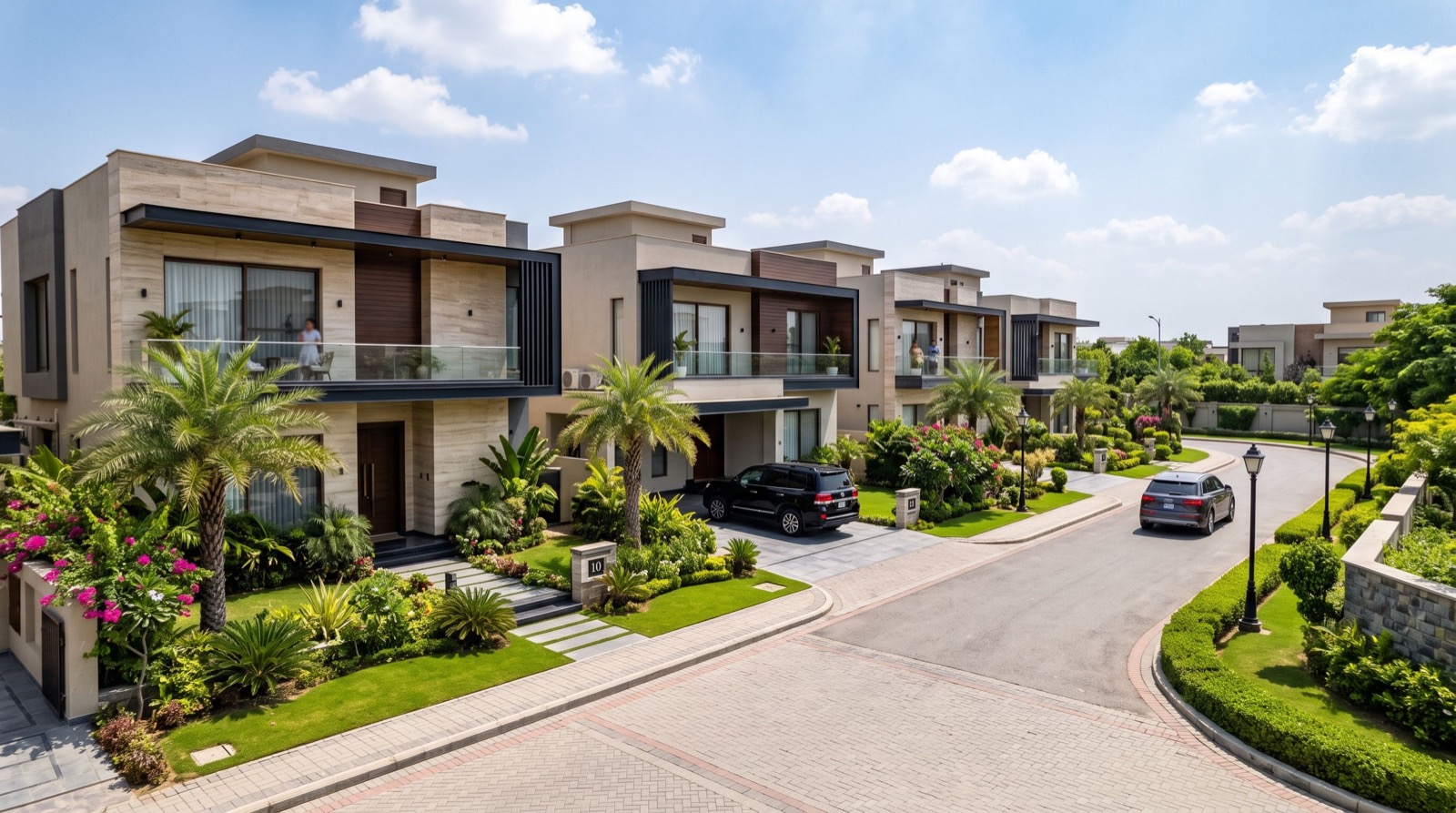
Vertical living has arrived in the twin cities, and High Rise Plots are now one of the most talked-about opportunities for investors in the Islamabad–Rawalpindi corridor. As land near the new airport and motorway interchanges grows scarce, building upward instead of outward has become the smarter play. In 2026, Silver City has positioned a dedicated block for exactly this purpose, giving buyers a legally zoned route into apartment towers, mixed-use buildings, and serviced commercial floors.
This guide explains what these plots are, why they matter for your portfolio, and how to evaluate one before you commit your capital. Whether you are a first-time investor or an experienced developer, understanding the mechanics of vertical plots will help you avoid costly mistakes and capture long-term value.
What Are High Rise Plots and Why Do They Matter?
A high-rise plot is a parcel of land zoned specifically for multi-storey construction, typically apartments or commercial towers that rise well beyond the three or four floors allowed on a standard residential plot. The byelaws attached to these plots permit greater height, higher floor-area ratios, and a mix of uses under one roof.
The appeal is simple. On the same footprint of land, a developer can sell or lease many more units, which spreads the cost of land across dozens of buyers rather than one. For investors, this means the ground value is leveraged far more efficiently than a single-family plot ever could achieve.
Pakistan’s cities are urbanising quickly. According to the World Bank’s Pakistan country overview, a large share of the population is expected to live in urban centres within the next decade, and that pressure is already pushing housing demand toward denser, better-planned developments near major road networks.
Where Silver City Fits in the Twin-City Picture
Silver City sits on the Girja Road corridor off the Rawalpindi Ring Road, with quick access to the New Islamabad International Airport and the M-2 and M-1 motorways. That location is precisely why vertical zoning makes sense here: connectivity attracts tenants, and tenants are what give apartment towers their rental yield.
The society is developed by an experienced team with a visible track record of delivery, which matters enormously when you are buying into a plot whose value depends on infrastructure arriving on schedule. Working with an experienced local team that understands zoning and development timelines reduces the risk that your plot sits idle while promised roads and utilities lag behind.
Key location advantages
- Direct access to the Rawalpindi Ring Road interchange.
- Roughly a short drive to the new international airport.
- Proximity to CPEC-linked trade routes and industrial zones.
- Planned commercial avenues that feed footfall into vertical buildings.
High Rise Plots vs Traditional Residential Plots
Many buyers still default to a standard residential plot because it feels familiar. But the economics of a vertical plot are fundamentally different, and the comparison below shows why serious investors are reconsidering.
| Factor | High Rise Plot | Standard Residential Plot |
|---|---|---|
| Permitted floors | Multi-storey (tower height) | Usually up to ground + 2 |
| Sellable units per plot | Many (apartments/offices) | One house |
| Rental income potential | High and recurring | Single-tenant |
| Construction complexity | Higher (engineering, lifts) | Lower |
| Ideal buyer | Developer / investor group | End-user family |
The table makes the trade-off clear. Vertical plots demand more capital and planning, but they reward that effort with multiple income streams and a far higher ceiling on returns.
How to Evaluate a High Rise Plot Before You Buy
Smart buyers run a short checklist before signing anything. Here is the process I recommend after years of watching twin-city launches succeed and stumble.
- Confirm the zoning. Make sure the plot is officially designated for high-rise use, not merely marketed that way.
- Check the byelaws. Review the allowed height and floor-area ratio so you know how many floors you can actually build.
- Audit the developer. Look at delivered phases, not just renders and brochures.
- Study access roads. A tower is only as valuable as the traffic that can reach it.
- Model the numbers. Compare the total plot cost against projected rental yield and resale value.
One original tip from the ground: always ask for the utility-load plan. High-rise buildings need heavy electrical and water provisioning, and plots in blocks where the grid and water mains are already sized for towers appreciate faster than those waiting on upgrades.
Understanding the Payment Structure
Affordability is where many investors either enter or walk away. Silver City offers staged installments that let you book a plot and pay over a period rather than in one lump sum. You can review the official Silver city price plan to see down-payment, quarterly, and possession figures laid out transparently.
Installment buying has a hidden advantage for vertical plots: it lets you lock today’s price while the block’s infrastructure matures, so your capital gains accrue before your final payment is even due. That timing is often where the real profit sits.
Who Should Consider Vertical Plots in 2026?
These plots suit three broad profiles. First, developers who want buildable land with clear high-rise zoning. Second, investor groups pooling capital to construct an income-producing tower. Third, forward-looking individuals who want to resell a premium-zoned plot once the surrounding commercial avenue matures.
If your goal is simply to build a single family home, a conventional plot still serves you better. But if recurring income and higher long-run appreciation are your objectives, a High Rise Plot deserves a serious place on your shortlist this year.
Frequently Asked Questions
Are high-rise plots a good investment in Pakistan right now?
Yes, particularly in well-connected corridors near the twin cities. Rising urbanisation and limited developable land near motorways and the airport support strong demand for vertical, income-generating buildings in 2026.
How are high-rise plots different from commercial plots?
Commercial plots allow business use, while high-rise plots specifically permit tall, multi-storey construction that may combine residential and commercial floors. Many high-rise plots are mixed-use, giving you flexibility in how you build.
Can I buy a high-rise plot on installments?
Yes. Silver City offers structured installment plans with a down payment followed by quarterly payments, which lets investors secure current pricing while the block develops.
What should I verify before purchasing?
Confirm official high-rise zoning, the permitted height and floor-area ratio, the developer’s delivery record, access roads, and the utility-load plan for the block.
Final Thoughts
High Rise Plots represent a maturing moment for twin-city real estate, where vertical, income-led thinking is replacing the old habit of simply holding empty land. With the right zoning, a credible developer, and a payment plan that works for your cash flow, a vertical plot in Silver City can anchor a portfolio built for the next decade. Do your diligence, model the numbers honestly, and treat 2026 as the year to move from watching the market to participating in it.